The Power of Motion
Sep 2, 2025
Interaction Design
Motion design is more than decoration — it’s communication. Explore how animation guides users, builds emotion, and creates unforgettable experiences.

Innovation
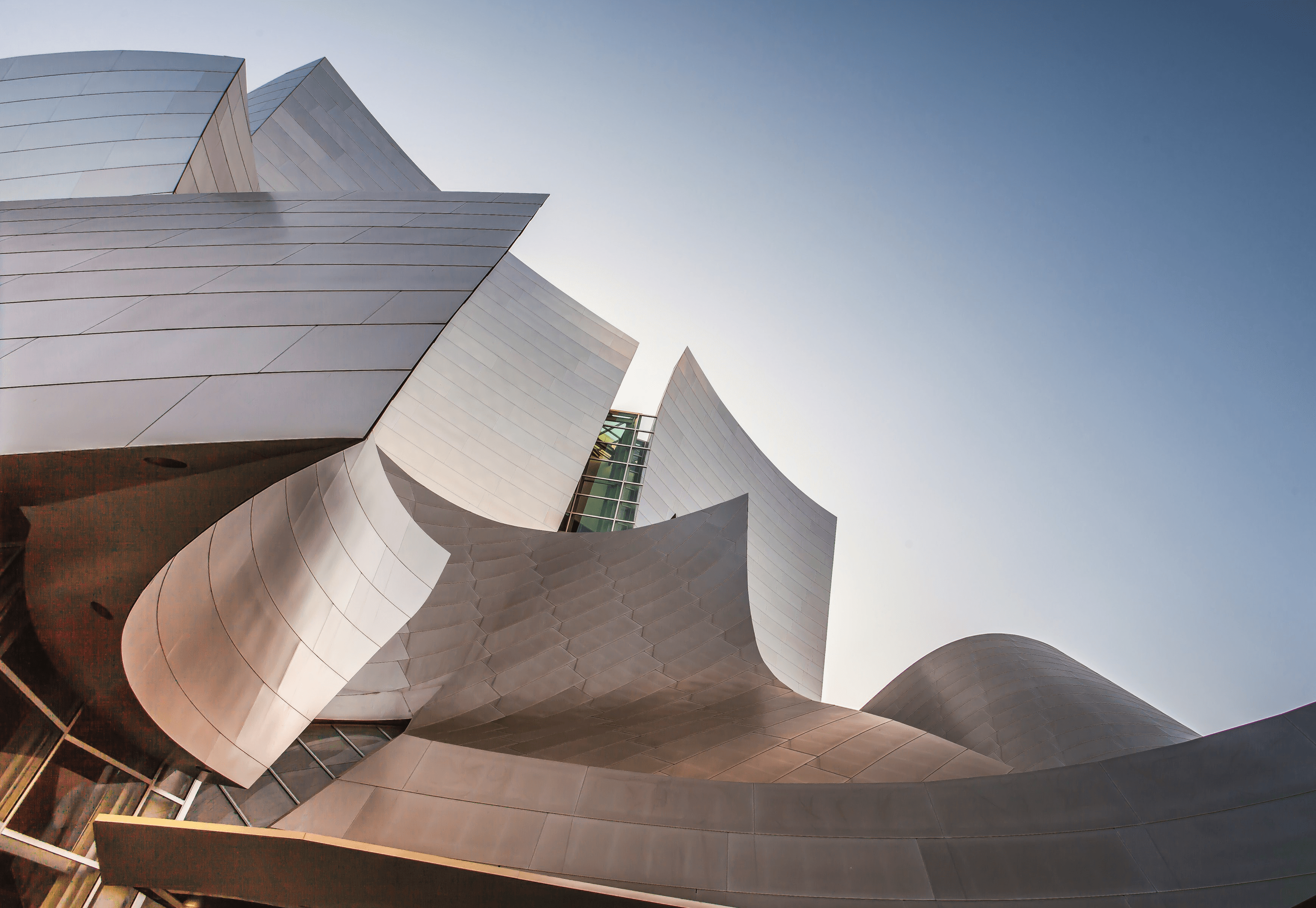
When done right, motion design transforms static interfaces into living, breathing experiences.
Motion isn’t about making things “flashy.” It’s about helping users understand where they are, what just happened, and what will happen next. From microinteractions to full-screen transitions, animations give digital products rhythm and flow. They reduce cognitive load by guiding attention, highlighting feedback, and making navigation intuitive. Motion creates an invisible layer of communication that’s just as important as text and visuals — if not more.
Revolution
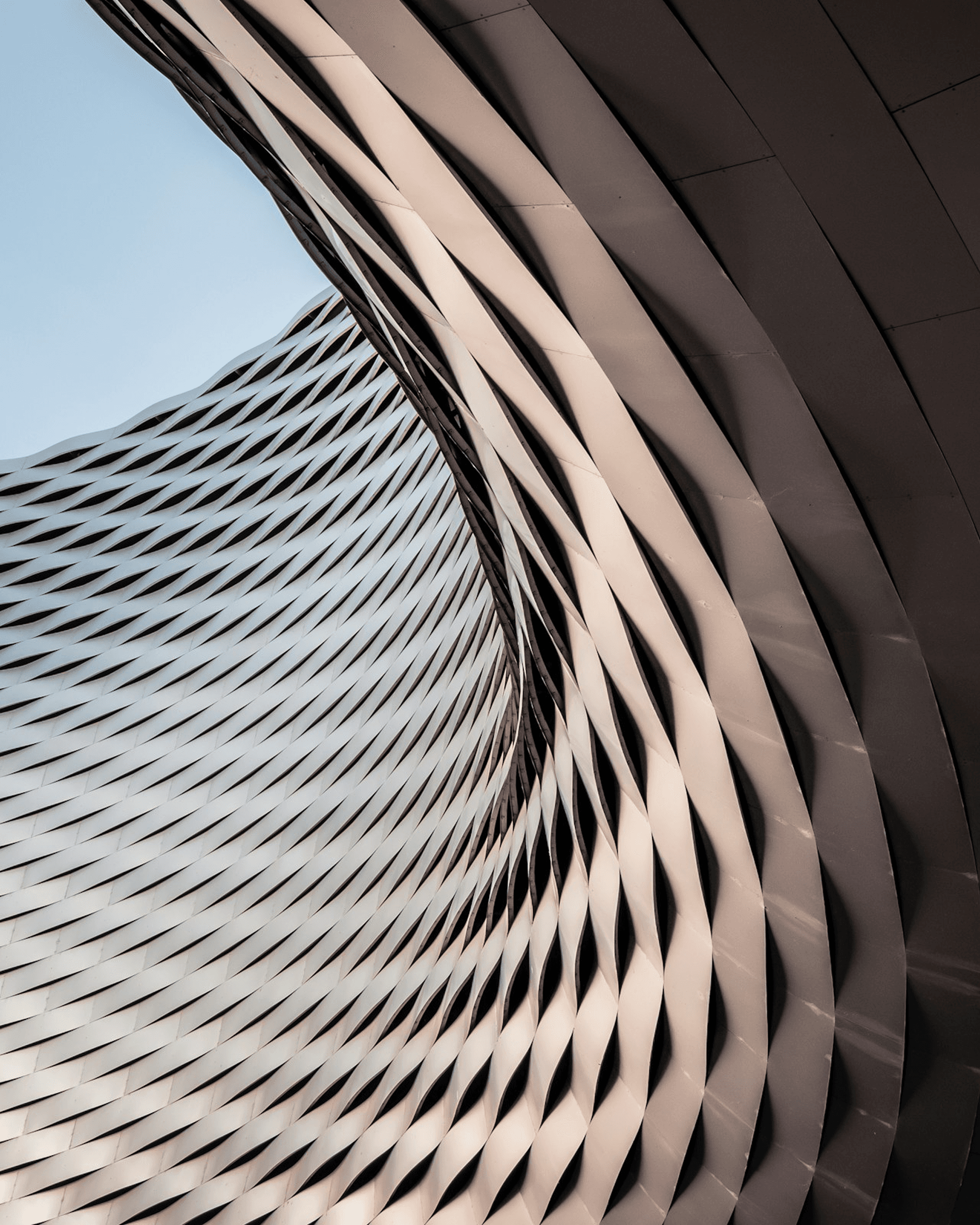
Motion is redefining the very language of digital design.
We’ve moved beyond static wireframes and mockups. Today, motion is a core part of the design process, integrated from concept to final product. Brands use animation to express personality, differentiate themselves, and connect emotionally with users. This revolution shifts the perception of UX from purely functional to deeply experiential. Motion is no longer optional — it’s a brand signature that users expect.
Evolution
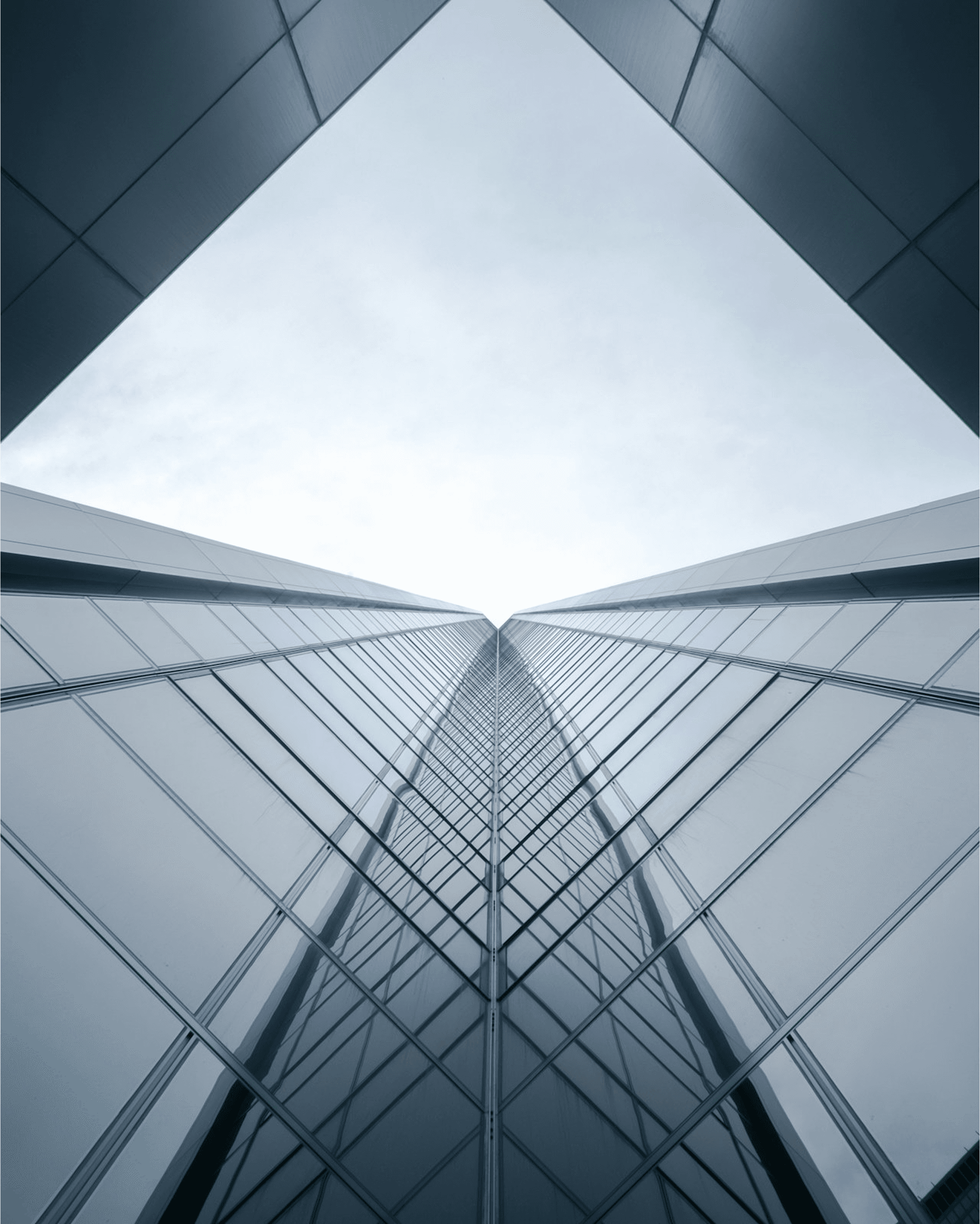
The next chapter of motion design is about intelligence and immersion.
With the rise of AI, AR, and VR, motion will become even more context-aware and personalized. Imagine interfaces that adapt animations to your behavior, or immersive transitions that blur the line between digital and physical. The evolution of motion design points toward interfaces that feel alive — intuitive, responsive, and emotionally engaging. For businesses, it’s the difference between being noticed and being remembered.